
Bleach – using Chlor-Alkali chemistry safely to protect our health
18 Jan 2024
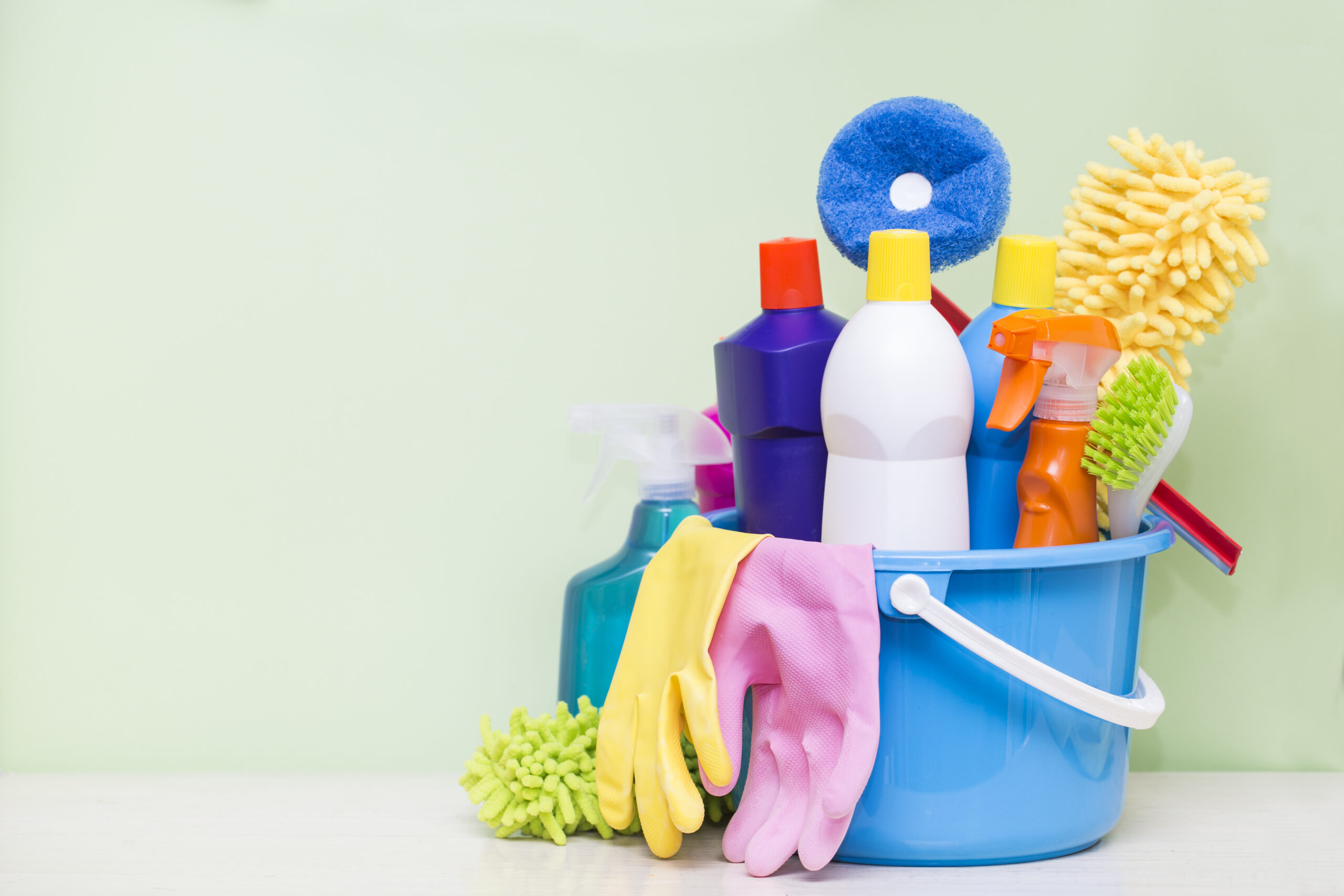
Chlorinated bleach (or just “bleach”) has been an important household chemical for over two hundred years. Whilst most people know it as a disinfectant, used to keep drinking water and pools healthy, it began its life in keeping white clothing from turning yellow during washing. Amongst experts, its chemical name is hypochlorite.
Bleach is also used every week in homes and hospitals for its role in removing bacteria and viruses. It has even been recommended for helping to inactivate the COVID-19 virus. Here, global health experts advised diluting 20 mL of household bleach (approximately 6%) in 1 L of water before use on rinsed surfaces, floors and bathrooms.
However, like any household chemical, it must be sensibly and safely used:
- Bleach must be handled with proper care and protection for the hands and face as it can irritate skin and damage our eyes;
- It should never be drank or injected, even when diluted, as a treatment for infections or in online ‘dares’ as this can be fatal;
- Bleach should be kept in a dark, secure place away from children. Careful attention should be given to any expiry date;
- Finally, bleach should never be mixed with other cleaning fluids (such as vinegar, ammonia, rubbing alcohol or peroxide) as these chemicals can react and cause toxic and corrosive gases to form.